
The Loss of Youth
All Quiet on the Western FrontThe theme of how the war has stolen the youth of a generation, leaving them old before their time and unable to return to normal life.
increasing Bearing strength in each event
 decreasing
Bearing strength in each eventdecreasingThe Iron Youth
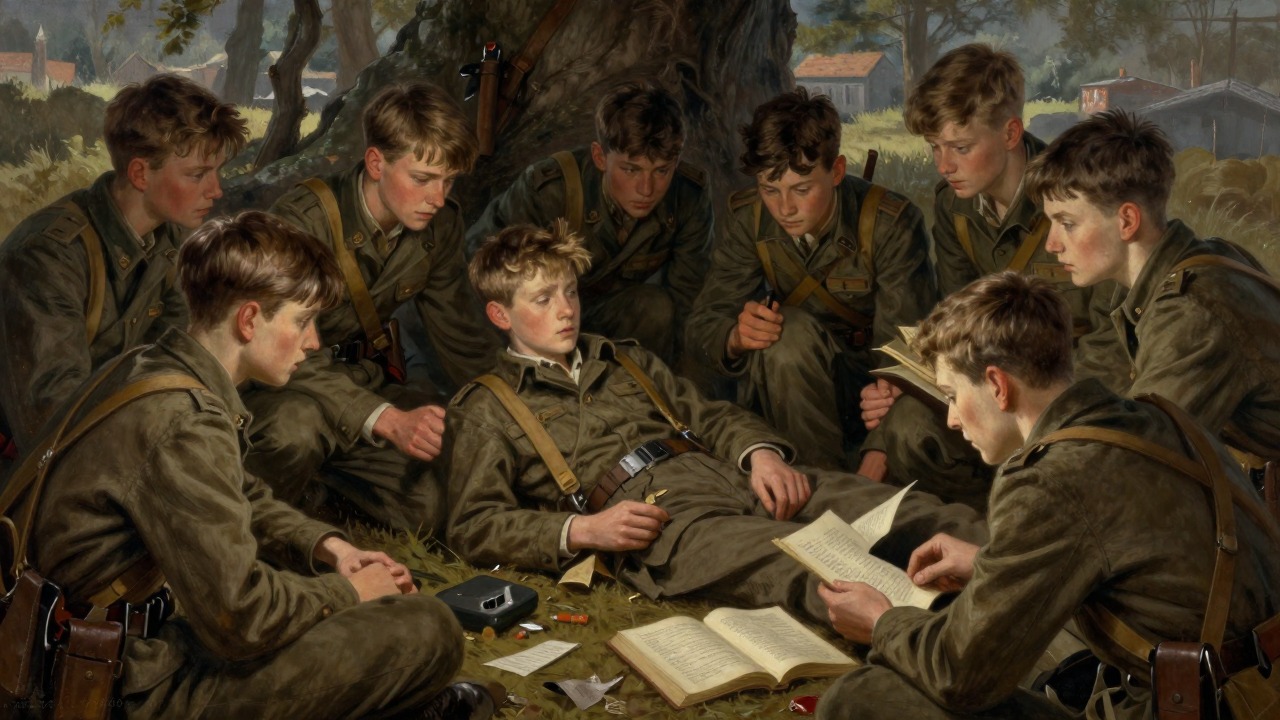
The Iron Youth
The Label
Kantorek calls them the "Iron Youth." The phrase is ironic. They are not iron; they are scared boys.
The First Death
Joseph Behm's death shatters their innocence. They realize that the war is not an adventure.
The Loss of Dreams
Paul thinks of his poems and his play. The war has cut them off from their former lives. They are adrift.
The Old Men
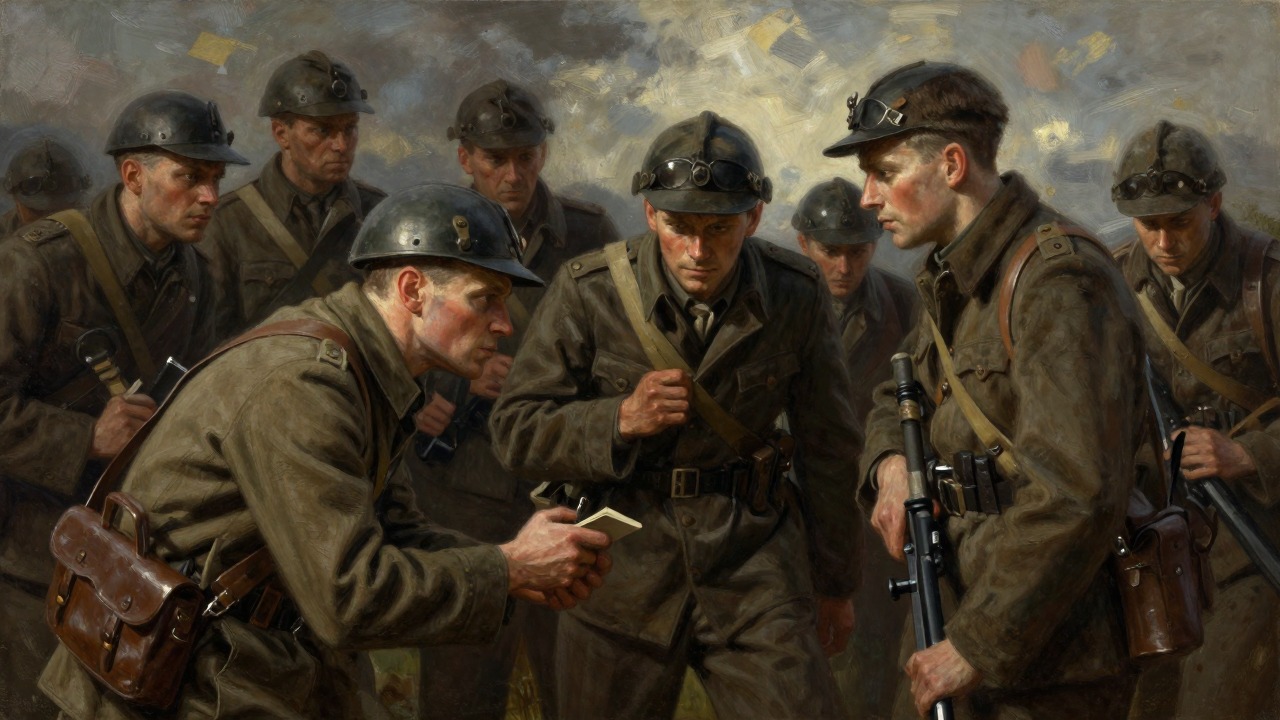
The Old Men
The Reflection
Paul reflects that they are no longer young. They are old, hardened, and without hope. The war has aged them beyond their years.
The Inability to Imagine the Future
They cannot imagine what they will do after the war. The war has become their only reality. They are lost.
The Contrast with the Older Men
The older men have wives and children to return to. The young have nothing. The war has taken everything from them.
The Final Solitude
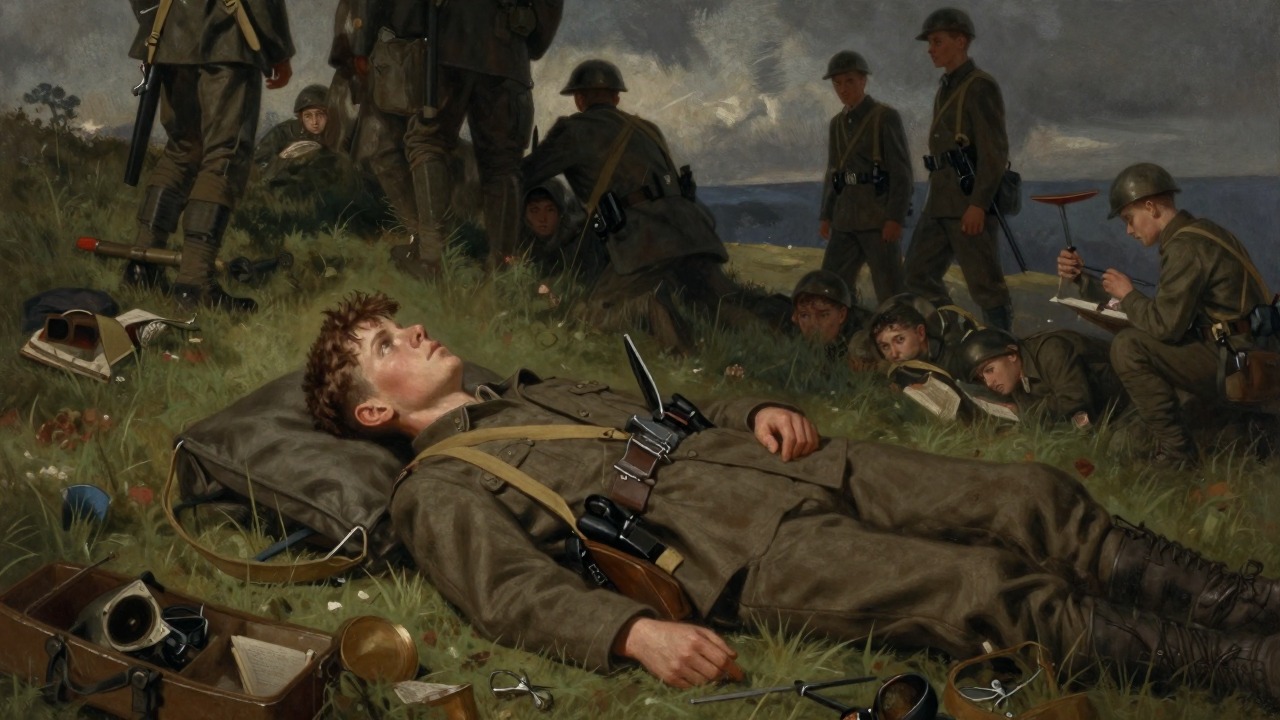
The Final Solitude
The Last of the Class
Paul is the last of his seven classmates. All are dead. He is utterly alone.
The Hopelessness
He sees no future. The war has destroyed his youth and his capacity for hope. He is a shell of a man.
The Quiet Death
His death is the final symbol of the lost generation. He dies on a quiet day, unnoticed. The war has consumed him completely.
Early in the novel
Midway through the novel
October 1918
